“The hope of Christmas is not that life will be easy, but that God comes near and walks with us when it is not.”
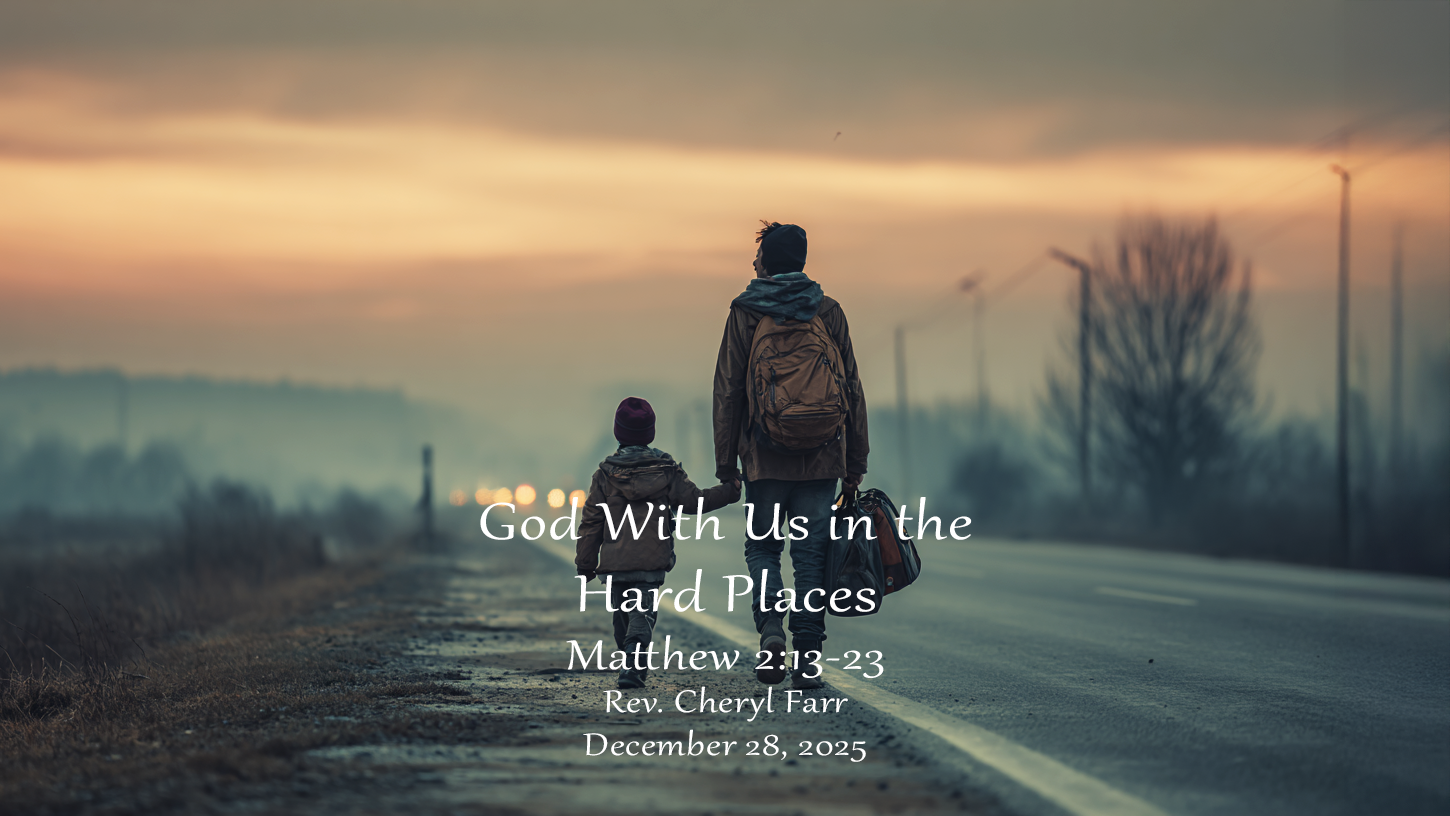
The Christmas story does not end at the manger. Matthew 2:13–23 shows that danger, fear, and grief enter the story almost immediately after Jesus' birth. Warned in a dream, Joseph takes Mary and the child and flees to Egypt, making Jesus a refugee from the very beginning of His life. This passage tells the truth about the world Jesus enters. God does not wait for safety or stability before drawing near, but steps directly into a world marked by violence and uncertainty.
This account also challenges the idea that faith guarantees ease. Joseph obeys God but must still flee. Families in Bethlehem grieve, and Scripture does not rush past their sorrow or offer simple explanations. Instead, it allows grief to be named and remembered. God's presence does not mean the absence of suffering, but it does mean that suffering is not faced alone.
Jesus' early life reveals God's deep solidarity with those who live on the margins. Growing up displaced and overlooked, Jesus knows fear, vulnerability, and the cost of obedience. His life shows that God's guidance often comes one step at a time, calling for trust rather than certainty. Faith is not confidence in outcomes, but faithfulness in motion.
In a world still shaped by fear, loss, and change, this passage offers lasting hope. God does not abandon people in hard places. God enters them. The promise of Christmas is not that life will become easier, but that God is already present, walking with His people through every season of real life.