“God isn’t asking us to do more. God is asking us to live more truthfully, letting justice shape our choices, mercy soften our hearts, and humility guide our walk with Him.”
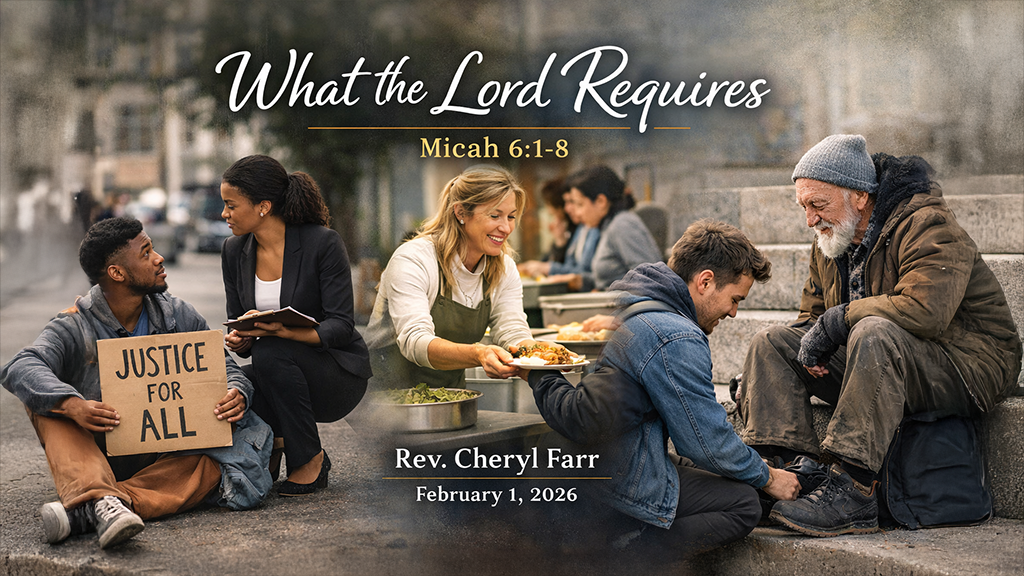
What the Lord Requires draws from Micah 6:1–8 and unfolds as a relational conversation between God and His people rather than a list of religious demands. God calls creation itself to witness His case, signaling that this is not a minor disagreement but a broken rhythm in a long-standing relationship. Instead of opening with commands or condemnation, God asks honest questions that reveal the gap between outward religious activity and inward faithfulness. Worship continues, sacrifices are offered, and the language of belief remains familiar, yet daily life no longer reflects God’s heart.
God’s response begins with memory and grace. He reminds His people of who He has been to them, their deliverance from slavery, His steady guidance, and His faithful presence through every season. The focus is not on their failure, but on His faithfulness. This reframes obedience as a response to grace rather than a transaction meant to earn approval. When the people respond by escalating religious offerings, their anxiety exposes how easily faith can slide into performance when trust erodes.
The clarity of Micah 6:8 cuts through fear and confusion. God has already made His desire known. A life shaped by justice, mercy, and humility reflects what is good. These are not abstract ideals but everyday practices that shape how people speak, make decisions, treat others, and respond to suffering. Justice addresses fairness and integrity in ordinary relationships. Mercy cultivates compassion that refuses to harden. Humility keeps faith grounded, teachable, and relational rather than performative.
This way of life finds its fullest expression in Jesus, who embodies justice, mercy, and humility in lived, visible ways. He consistently challenges empty religion, centers people over systems, and invites others into a grace-filled path of faithfulness. The call of Micah 6:1–8 presses gently but firmly into the present, reminding us that God does not demand perfection or exhaustion. God calls for direction, lives increasingly aligned with His heart, where faith is revealed not through religious noise, but through love made visible.