December 9, 2025
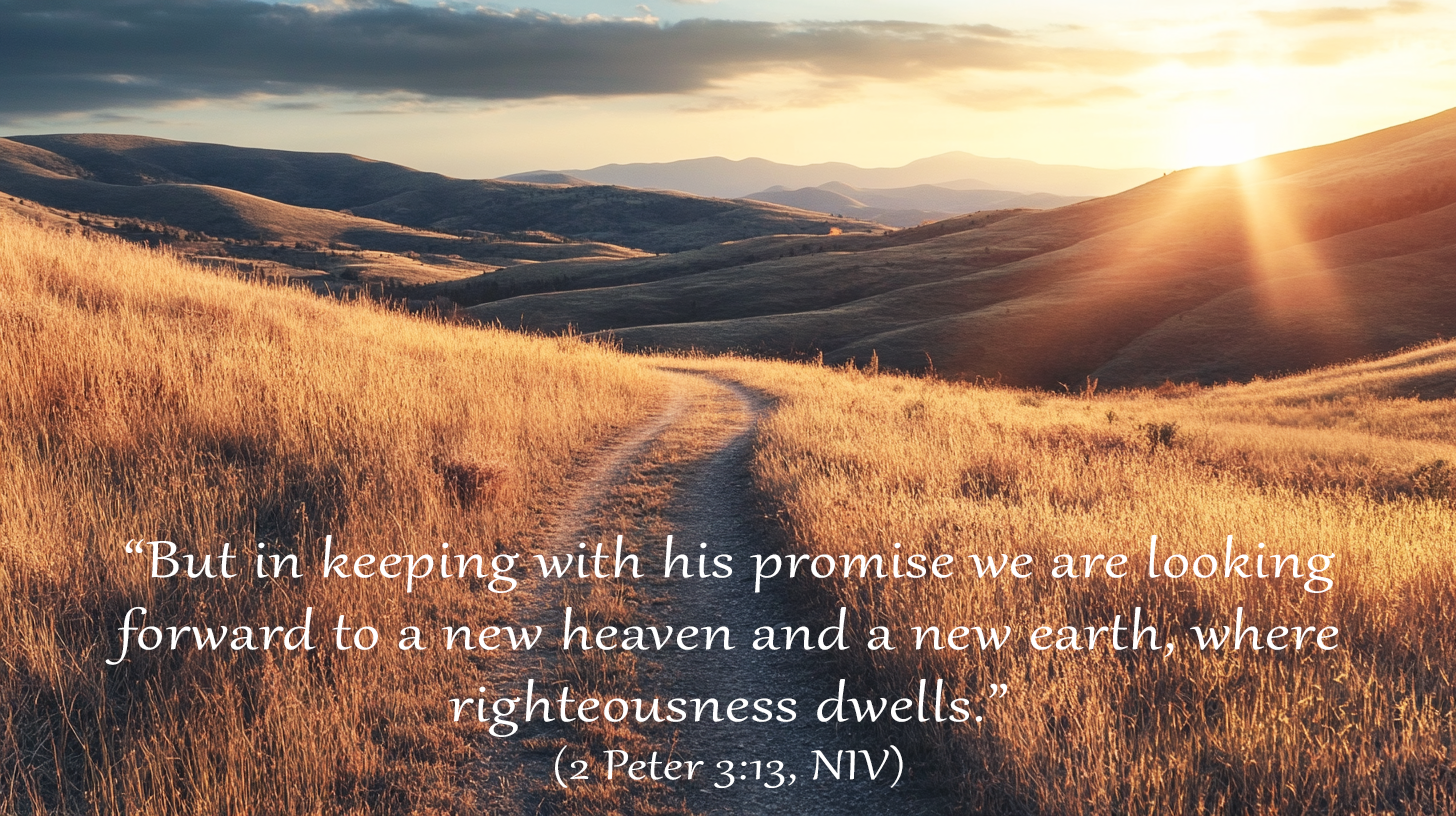
2 Peter 3:8–15a reminds us that God’s sense of time is not our own. “With the Lord a day is like a thousand years, and a thousand years are like a day.” The early church wrestled with waiting for Christ’s return, wondering why the promise tarried. Peter answers plainly: God’s delay is not forgetfulness—it’s grace. Each moment He waits is another chance for hearts to repent and return. Advent patience means trusting that every pause in God’s plan is filled with purpose.
Devotional:
Waiting has never been easy for humanity. The world tells us to move faster, produce more, and expect everything immediately. But the season of Advent stands against that current like a still voice in a noisy marketplace. It invites us to wait—not with frustration, but with faith. That’s what Peter’s words are about: not a God who has forgotten His people, but a God whose patience is born of mercy.
The early believers longed for Christ’s return, just as we long for His coming now. But as days turned into years and persecution pressed harder, questions rose: “Where is this promise He made?” Peter reminds them—and us—that God’s time is not our time. The One who stands outside of time measures history through the lens of redemption, not convenience. Every second of delay is an act of grace, a pause filled with opportunity for repentance and renewal.
It’s easy to mistake God’s patience for absence, especially when the world feels like it’s spinning out of control. Evil seems unchecked, suffering feels unending, and prayers echo back in silence. But Peter shifts the focus. God’s waiting is not weakness—it’s compassion. He waits because He loves, because He desires that none should perish. The patience of God is the heartbeat of His mercy, steady and deliberate, calling us to prepare our hearts before the final day arrives.
Advent teaches us that waiting is not wasted time. While we wait, God works—refining faith, softening hearts, and shaping His people for the day of His glory. The wilderness of delay can be holy ground if we learn to see it that way. It’s where character forms, forgiveness deepens, and faith matures.
Peter also urges readiness: “You ought to live holy and godly lives as you look forward to the day of God.” The waiting isn’t passive; it’s productive. It’s not sitting still—it’s walking faithfully. Holiness is how we prepare. Obedience is how we wait. And hope is what keeps us moving.
So when you grow restless, remember: the delay is love. God is giving the world, and you, more time to turn toward Him. Advent patience is not resignation—it’s trust in the mercy of a God who keeps every promise in perfect time.
Action:
When impatience rises today, pause and pray, “Lord, teach me to see Your timing as love.” Then extend that same patience to someone else.
Prayer:
God of mercy, thank You for loving us enough to wait. Help me to trust Your timing even when I can’t see Your hand. Give me grace to live faithfully in the meantime—ready, alert, and full of hope. Let my waiting honor You. In Jesus’ name, amen.
Thought for the Day:
God’s delay is love in disguise—every pause is an invitation to grace.