“The table of grace is not running out of bread. There is mercy enough for the outsider, the wounded, the doubting, the desperate, and the person we never expected to see there.”
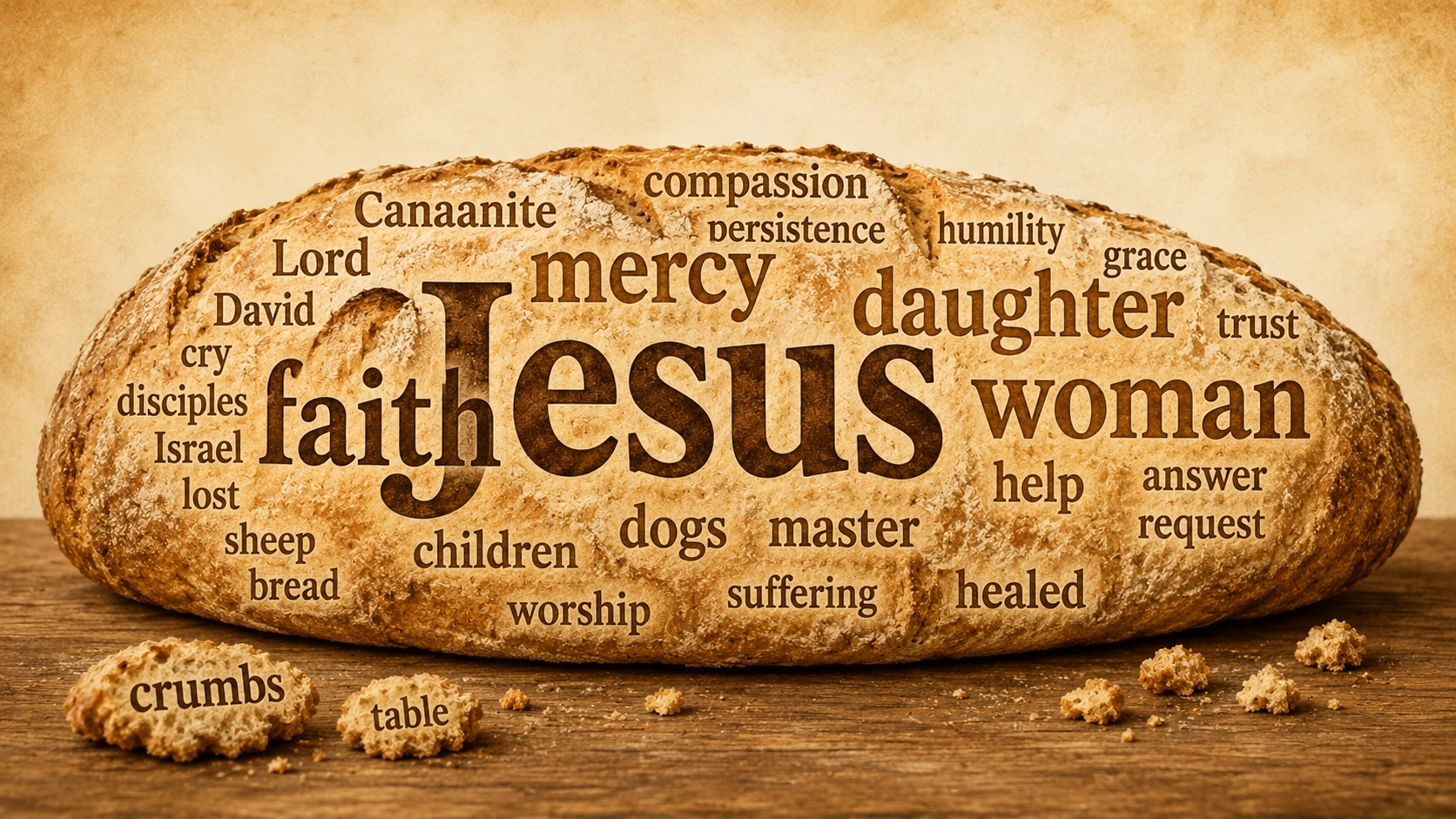
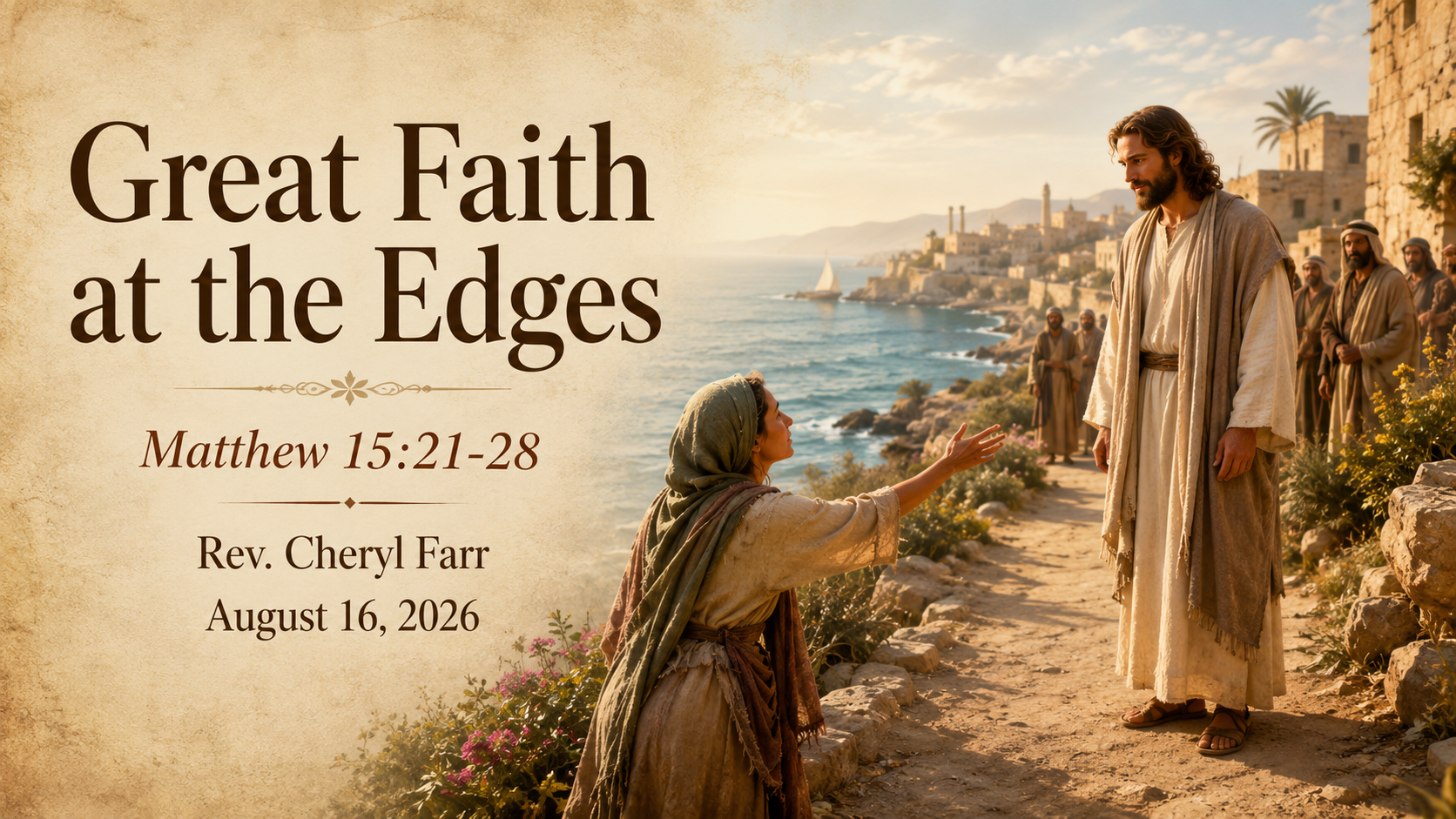
Matthew 15:21–28 brings Jesus into the region of Tyre and Sidon, where a Canaanite woman approaches Him on behalf of her suffering daughter. She stands outside the religious and cultural boundaries of Israel, yet she recognizes Jesus as Lord and the Son of David. Her love for her daughter gives her courage to cry for mercy, even when Jesus is silent and the disciples want her sent away.
The woman refuses to believe that silence means rejection. When Jesus speaks of the children’s bread, she hears something others might miss. He has spoken of order, not exclusion. She trusts that God’s mercy is so abundant that even the crumbs falling from the table are enough to bring healing. Her persistent response, “Yes, Lord,” reveals a faith grounded not in her own worthiness but in the goodness of Christ.
Jesus praises her great faith, and her daughter is healed. The outsider sees what many insiders have failed to understand: grace isn’t scarce, and God’s love can’t be confined by the boundaries people create. Her story calls the Church to notice those standing at the edges, hear the cries we might consider interruptions, and welcome people whom others overlook.
There are people near us who may never enter a church building unless someone first crosses a street, a yard, a workplace, or a social divide to meet them. Christ calls us to become bridges between His mercy and those who believe they don’t belong. Great faith often appears in unexpected people and unexpected places, and Jesus’ grace reaches all the way to the edges.